1
2
3
Damper Products
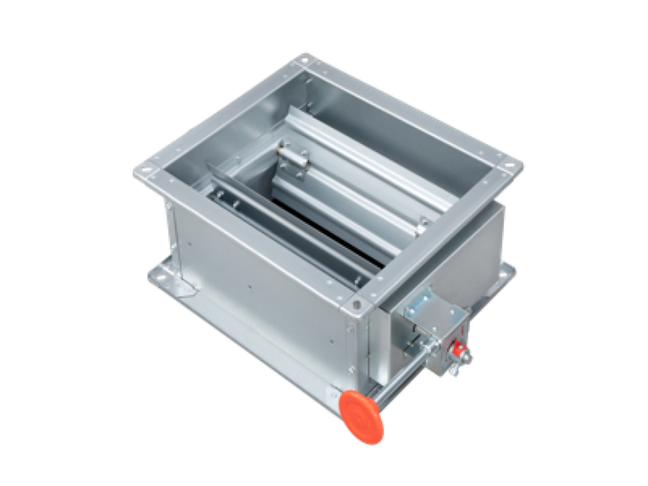
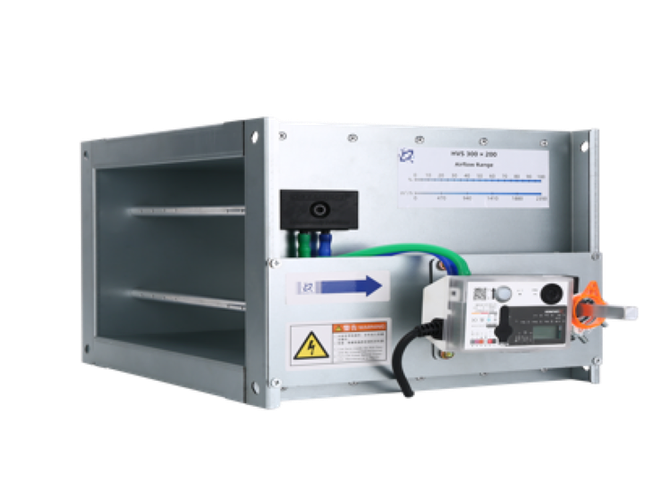
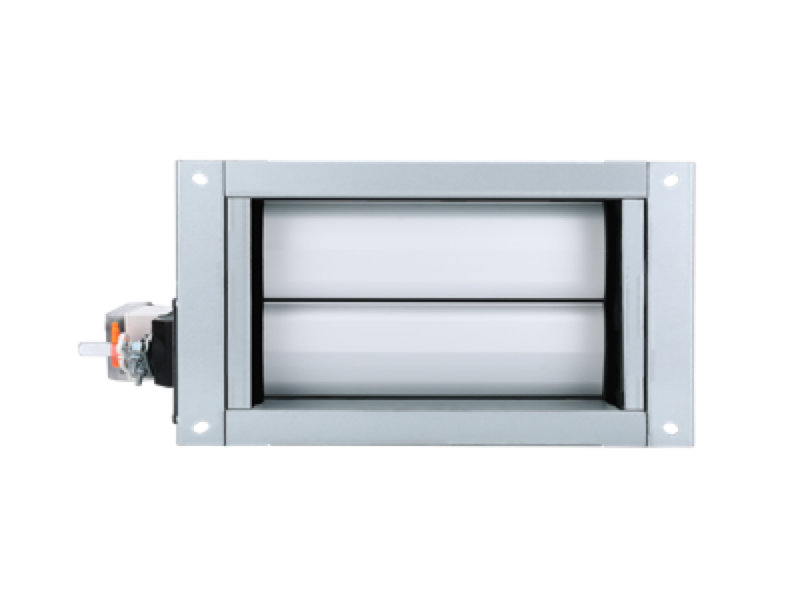
HLD Multi-Blade Low-Leakage Damper
The HLD multi-blade low-leakage damper provides excellent sealing and modulation performance for HVAC applications requiring high airtightness after shutoff, such as AHUs, infectious disease hospitals, laboratories, nuclear facilities, and chemical facilities.
Product Features
- Clean and attractive appearance
- Precise airflow adjustment
- Excellent airtightness
- Multiple control modes
- Convenient maintenance
| Dimensions | W(200-1000mm),H(100-1000mm) |
|---|---|
| Material | Frame material can be galvanized or stainless steel, with aluminum profile blades. |
| Operating Pressure | ≤2000Pa | Actuator Type | Electric, pneumatic, manual, or explosion-proof actuator |
| Stable Operation | -40°C~80°C |
Opposed multi-blade design
The multi-blade low-leakage damper uses opposed blades with near equal-percentage airflow characteristics and excellent modulation. Streamlined blades guide airflow effectively and provide a low resistance coefficient when fully open.
Multiple sealing measures
Sealing measures include side seals between blades and frame and seals between blades. When fully closed, leakage is very low and meets requirements such as JG/T436-2014.
High-temperature and explosion-proof performance
For special applications, the multi-blade low-leakage damper can use high-temperature materials and additional explosion-proof measures where required.
Fast Response (optional)
Opening/closing time <=15 seconds for rapid response in emergency smoke exhaust and quick shutoff applications.
Durable and reliable
High-quality materials and precision manufacturing provide robust structure, long service life, and easy maintenance.
Before Installation
- Check that product specifications match design requirements
- Confirm installation and operating space
- Prepare installation tools and accessories
- Check actuator and control system
Installation Steps
- Reserve installation space in the duct system
- Install the valve body in the specified position
- Connect ducts and ensure flange sealing
- Install actuator and transmission mechanism
- Connect control and signal wiring
- Perform system commissioning and function testing
Notes
- Ensure sufficient blade movement clearance
- Check actuator installation direction
- Regularly check seal strip condition
- Avoid forcing blade movement
Air-Conditioning System
HVAC systems in large commercial and office buildings for zone isolation and airflow control.
Industrial Ventilation
Ventilation systems for chemical plants, pharmaceutical plants, and other industrial buildings to control hazardous gas dispersion.
Cleanroom Systems
Air handling systems for cleanrooms in electronics plants, pharmaceutical plants, and similar facilities.
Metro Tunnels
Ventilation and smoke exhaust systems for metro platforms and tunnels to protect passengers.