1
2
3
Damper Products
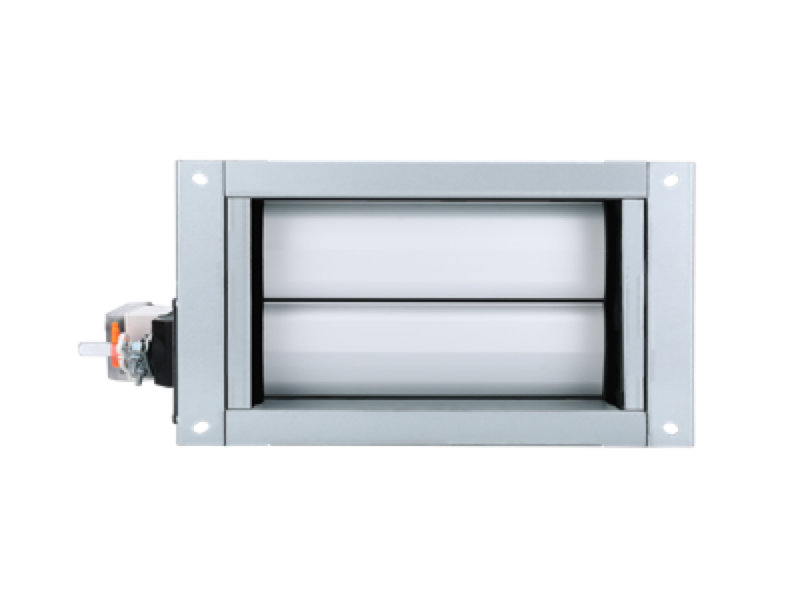
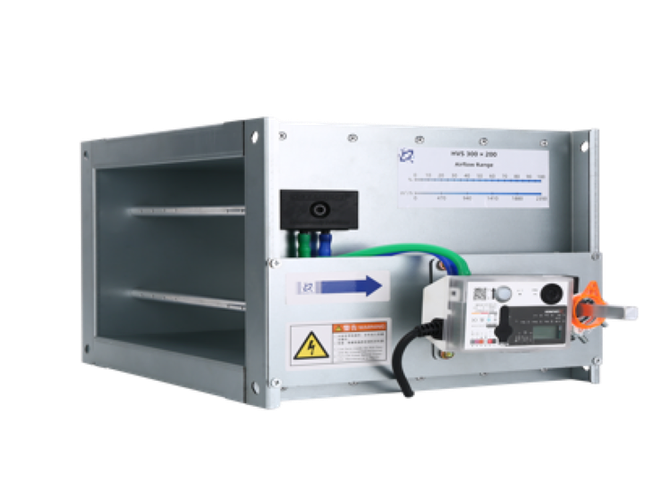
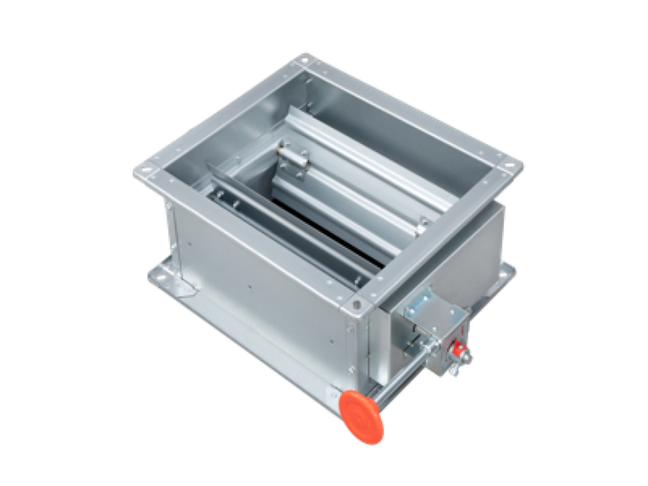
VAD Air Volume Damper
The VAD air volume damper is a high-precision airflow control device for accurately regulating duct airflow. It is suitable for various HVAC systems and provides stable, reliable airflow adjustment.
Product Features
- Multi-stage airflow adjustment
- Compact structure
- Easy operation
- Excellent corrosion resistance
- Convenient maintenance
| Duct Size Range | Rectangular W(100-2000 mm), H(100-2000 mm); round diameter 120-2000 mm |
|---|---|
| Material | Frame and blades are made of high-quality galvanized or stainless steel plates, with brass bearings. |
| Operating Pressure | ≤1500Pa |
| Actuator Type | Manual, electric, and pneumatic actuators |
| Operating Temperature | -40°C ~ +80°C |
High-strength structure
Damper frames and blades are made from high-quality galvanized or stainless steel plates, with brass bearings and robust corner-joint assembly.
Low leakage performance
Damper sealing can use elastic stainless-steel side seals and silicone seals between blades, providing excellent overall sealing performance that meets standards such as JG/T436-2014.
Multiple actuator options
The damper can use manual sector, manual screw, electric spring-return, electric two-position, electric modulating, or pneumatic actuators.
Before Installation
- Check that product specifications match design requirements
- Confirm installation location and space
- Prepare installation tools and accessories
- Check duct connection dimensions
Installation Steps
- Reserve installation space in the duct system
- Install the damper in the specified position
- Connect ducts and ensure good sealing
- Install actuator and control wiring
- Perform system commissioning and calibration
- Check operating status and control accuracy
Notes
- Pay attention to airflow direction during installation
- Ensure the actuator is securely installed
- Regularly check sealing performance
- Avoid overpressure operation
Office Buildings
Airflow control for office building HVAC systems to maintain comfort in each zone.
Commercial Buildings
HVAC systems for shopping malls, hotels, restaurants, and other commercial spaces.
Industrial Facilities
Airflow regulation for ventilation systems in workshops, warehouses, and industrial buildings.
Healthcare Buildings
Spaces with high air quality requirements such as hospitals and laboratories.
Educational Buildings
HVAC ventilation systems for schools, libraries, and other educational buildings.